
Lincoln Corsair: Transmission Cooling - 8-Speed Automatic Transmission – 8F35/8F40 / Description and Operation - Transmission Cooling - Overview
Transmission Cooling
This vehicle is equipped with an external transmission fluid cooler. The transmission fluid cooler is an oil-to-coolant fluid cooler which is mounted to the lower LH side of the transmission. The cooling system also consists of a coolant control valve mounted to the upper rear of the transmission. The transmission fluid flows from the transmission to the transmission fluid cooler and back to the transmission. When the transmission fluid is below normal operating temperature, the coolant control valve closes, stopping coolant flow to the transmission fluid cooler. When the transmission fluid is at or above normal operating temperature, the coolant control valve opens, allowing engine coolant to flow to the transmission fluid cooler. The transmission fluid cooler transfers heat from the transmission fluid to the engine coolant.
Vehicles With Transmission Fluid Auxiliary Cooler
This vehicle is equipped with an external transmission fluid warmer, a cooler bypass valve and a transmission fluid cooler. The transmission fluid warmer is a coolant-to-oil fluid warmer which is mounted to the lower LH side of the transmission. The cooler bypass valve is mounted to the transmission fluid warmer. The transmission fluid cooler is an oil-to-air cooler integrated into the A/C condenser. The transmission cooling system also consists of a coolant control valve mounted to the upper rear of the transmission. When the transmission fluid is below normal operating temperature, the transmission fluid flows from the transmission to the transmission fluid warmer and back to the transmission. The coolant control valve opens, allowing warm coolant to flow to the transmission fluid warmer. The transmission fluid warmer transfers heat from the coolant to the transmission fluid. When the transmission fluid is at or above normal operating temperature, the coolant control valve closes, stopping coolant flow to the transmission fluid warmer. The cooler bypass valve opens, allowing transmission fluid to flow to the transmission fluid cooler. The transmission fluid returns to the coolant control valve and then back to the transmission. The transmission fluid cooler transfers heat from the transmission fluid to the ambient air.

 Diagnosis and Testing - Transmission Cooling
Inspection and Verification
Verify the customer concern.
Visually inspect for obvious signs of mechanical or electrical damage.
If an obvious cause for an observed or reported concern is
found, correct the cause (if possible) before proceeding to the next
step
If the cause is not visually evident, verify the symptom and refer to the Symptom Chart...
Other information:
Lincoln Corsair 2020-2026 Service Manual: Diagnosis and Testing - Engine Temperature
Diagnostic Trouble Code (DTC) Chart Diagnostics in this manual assume a certain skill level and knowledge of Ford-specific diagnostic practices. REFER to: Diagnostic Methods (100-00 General Information, Description and Operation). Module DTC Description Action PCM P0116:00 Engine Coolant Temperature Sensor 1 Circuit Range/Performance: No Sub Type Information GO to Pinpoint Test ..
Lincoln Corsair 2020-2026 Service Manual: Removal and Installation - Exhaust Gas Recirculation (EGR) Valve
Removal NOTE: Removal steps in this procedure may contain installation details. Remove the differential pressure feedback EGR sensor. Refer to: Differential Pressure Feedback Exhaust Gas Recirculation (EGR) Sensor (303-08A Engine Emission Control - 2.0L EcoBoost (177kW/240PS) – MI4, Removal and Installation). Drain the cooling system. Refer to: Engine Cooling ..
Categories
- Manuals Home
- 1st Generation Lincoln Corsair Owners Manual
- 1st Generation Lincoln Corsair Service Manual
- Technical Specifications
- Auto Hold (IF EQUIPPED)
- Child Safety Locks
- New on site
- Most important about car
Information on P Type Tires
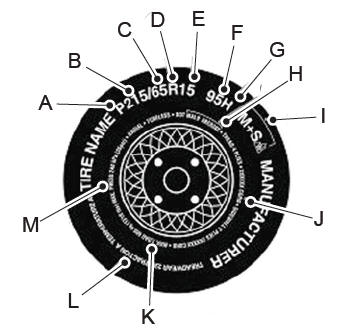
P215/65R15 95H is an example of a tire size, load index and speed rating. The definitions of these items are listed below. (Note that the tire size, load index and speed rating for your vehicle may be different from this example.)
P: Indicates a tire, designated by the Tire and Rim Association, that may be used for service on cars, sport utility vehicles, minivans and light trucks. Note: If your tire size does not begin with a letter this may mean it is designated by either the European Tire and Rim Technical Organization or the Japan Tire Manufacturing Association. 215: Indicates the nominal width of the tire in millimeters from sidewall edge to sidewall edge. In general, the larger the number, the wider the tire. 65: Indicates the aspect ratio which gives the tire's ratio of height to width. R: Indicates a radial type tire. 15: Indicates the wheel or rim diameter in inches. If you change your wheel size, you will have to purchase new tires to match the new wheel diameter. 95: Indicates the tire's load index. It is an index that relates to how much weight a tire can carry. You may find this information in your owner’s manual. If not, contact a local tire dealer.